Same camera, different deal: what you're really paying for
Guide · Buying guide · Updated November 2026
Two listings for the same old camera can show the same model name and look like the same thing. They often aren't. One might be a working camera with a charged battery, a card and someone standing behind it. The other might be a body that was found in a drawer and never switched on. The model sets a starting point. What comes with it decides whether the price is fair.
WHAT ARE YOU ACTUALLY PAYING FOR WITH A USED DIGICAM?
WHY DOES AN UNTESTED CAMERA COST LESS?
Because you're taking on the risk. Old digicams have a few common faults that only show up once you use them: a lens that won't extend, a battery that no longer holds a charge, a screen with dead spots, a card slot that won't read. "Untested" or "sold as seen" usually means nobody has checked, and the price reflects that the camera may not work at all.
Even "working" can mean different things. A Japanese guide for resellers points out that big second-hand chains in Japan sell cameras labelled as working that still have faults their basic checks miss. Switching on is not the same as taking a good photo.
WHAT SHOULD A TESTED CAMERA MEAN?
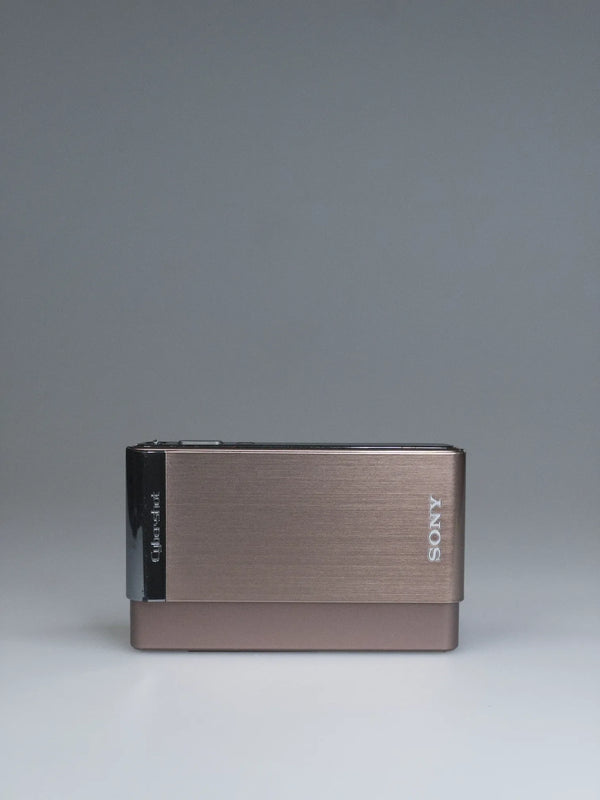
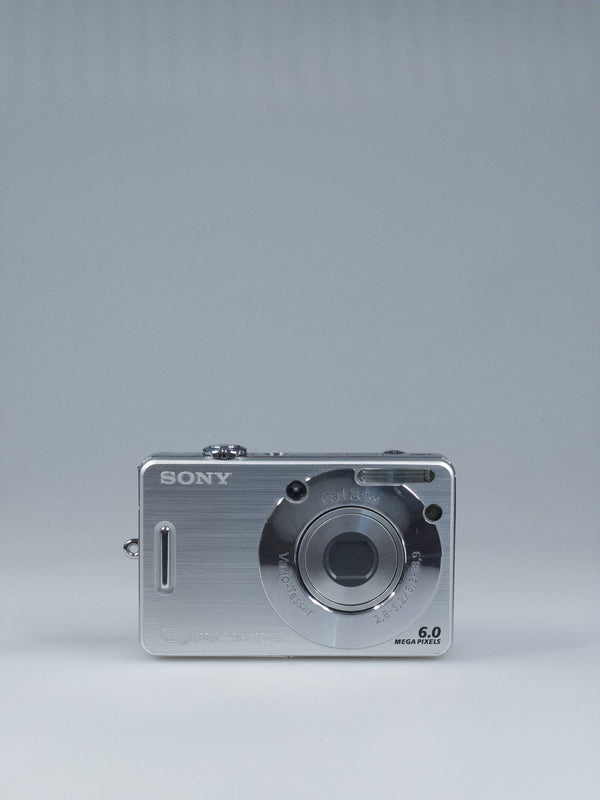
It should mean the camera was used the way you'll use it, not just switched on. At Bling Inc, every camera is tested before it's listed, and any fault, mark or limitation goes into the condition notes on the listing. The photos are of the actual camera you'll receive. Known issues are part of the description, so you know exactly what you're buying before you pay.
WHAT SHOULD COME IN THE BOX?
Enough to use it straight away. For an old digicam that matters more than it sounds: original chargers get lost, and some cameras take cards you can't buy in a normal shop any more. Our guides to memory cards and batteries and chargers explain why. A body on its own can quickly turn into a hunt for parts.
Our cameras ship as a complete, ready-to-use set: battery, charger, memory card and cable, where they apply to that model.
WHAT RIGHTS DO YOU HAVE IN GERMANY?
It depends who you buy from. In Germany, a private seller is allowed to exclude the statutory warranty and doesn't have to offer a right of withdrawal. That's why so many private listings say "Privatverkauf, keine Garantie, keine Rücknahme". A private seller is still liable for faults they knowingly hide. The legal right to withdraw from an online purchase only exists when you buy from a business.
A business can't exclude the warranty. At Bling Inc that means:
- A one-year warranty on every item, unless a listing clearly says otherwise.
- 14 days to change your mind after delivery, for customers in the EU.
- Return shipping paid by us and a full refund if something arrives faulty or not as described.
HOW DO SHOPS IN JAPAN HANDLE IT?
In Japan, specialist camera shops treat a warranty as part of a fair price for a used camera. Tokyo's Fujiya Camera, for example, gives a six-month warranty on used items over ¥11,000. Digicam Watch's guide to buying used cameras says warranties vary from shop to shop, so you should check before you buy, choose one with a warranty if you can, and take test shots soon after it arrives. That's good advice wherever you buy.
WHAT ABOUT SHIPPING?
Delivery within Germany and the EU is free, tracked and insured, and orders leave Berlin within 1–2 business days of payment. Because cameras contain lithium batteries, carrier rules mean each battery-powered item travels in its own parcel. Our flying guide covers the battery rules for travelling with it afterwards.
HOW CAN YOU TELL IF A PRICE IS FAIR?
Compare like with like. Before you set two prices side by side, check:
- Has it been tested, and does the listing say how?
- Are the condition notes specific, or just "good condition"?
- Are the photos of this camera?
- Does it come with a battery, charger and a card that fits?
- If it fails next month, who do you talk to?
A cheaper listing that answers "no" to most of these isn't the same camera at a better price. It's a different deal. Our guide to buying a used digicam in Germany goes through what to check on the camera itself. Every camera we list is tested and checked before it goes up, and anything that isn't right is written into the condition notes.